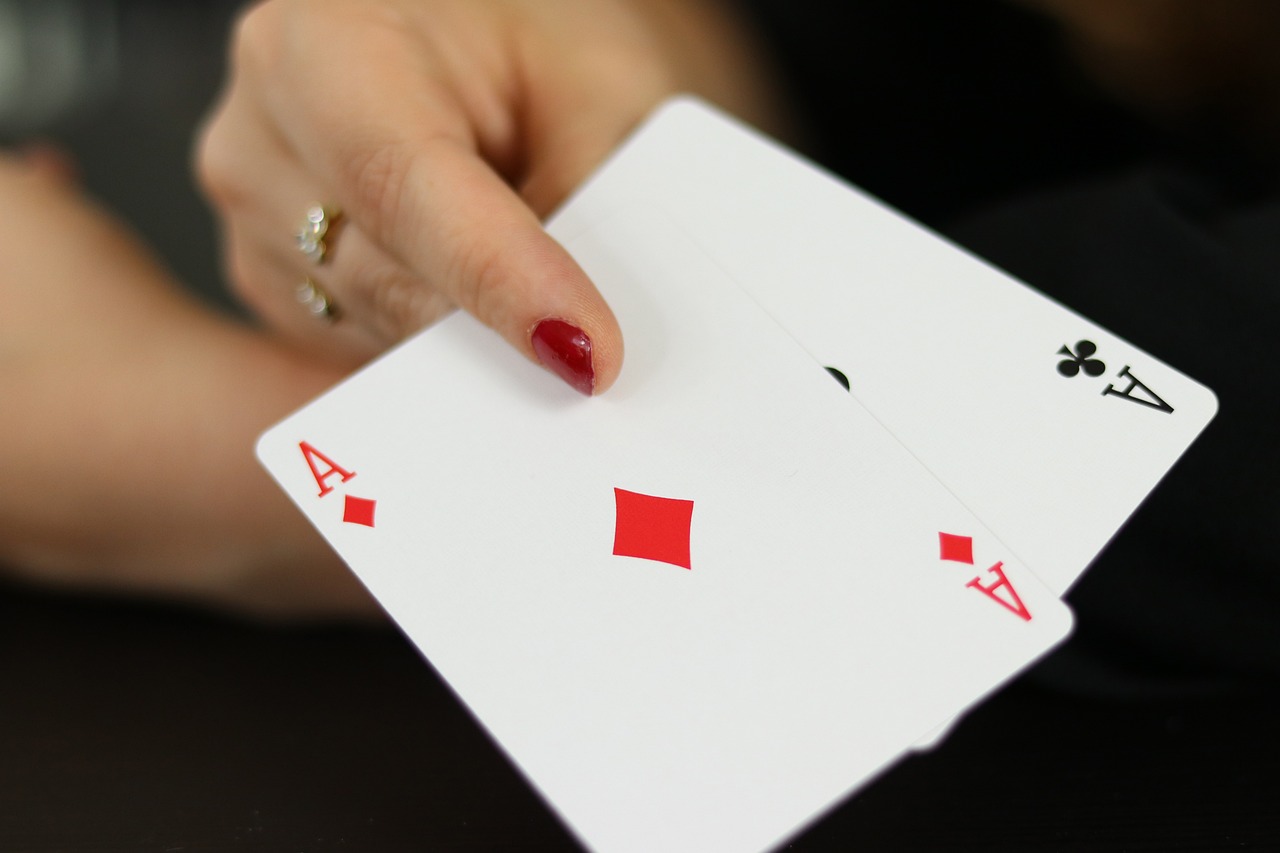
You've probably been there. You're 200 spins deep into a session on a slot you've seen streamers hit for 5,000x, and your balance is quietly bleeding out. Nothing's landing. Meanwhile, some guy in a Discord server posts a screenshot of a max win on the exact same game and you're left wondering if the machine has something against you personally. It doesn't. What you're almost certainly running into is volatility, the single most misunderstood concept in online slots — and the one that decides whether your bankroll survives the night.
Let's pull it apart properly, because once you actually understand volatility, you'll stop choosing games based on the thumbnail art and start choosing them based on how you want your money to behave.
Volatility Is a Personality, Not a Rating
Every slot has a house edge, and that edge is baked in over millions of spins. Volatility is something different. It describes how the payouts are distributed across session time, not how much the casino takes in total. Two slots can have identical RTPs of 96% and behave in completely opposite ways over a 30-minute session.
- Low volatility: frequent, smaller wins. Think classic 3-reel fruit slots or games like Starburst. Your balance drifts slowly. Long sessions, few fireworks.
- Medium volatility: the middle ground. Balanced hit frequency with occasional meaningful spikes. This is where a lot of modern NetEnt and Pragmatic titles sit.
- High volatility: rare but large wins. Games like San Quentin, Money Train 2 or The Dog House Megaways. Busted sessions are common; the entire value of the RTP is concentrated into a tiny percentage of spins.
Here's the counterintuitive part: a high-volatility slot isn't 'worse.' It just has a different distribution. Most players quit long before the math has any chance to balance out, which is why volatility has a brutal psychological dimension that low-volatility games don't.
The Numbers You Should Actually Care About
Hit frequency is reported far less than it should be. A game advertising 96.5% RTP with a 40% win rate that pays mostly under your stake isn't a game you can grind. The hit frequency — the percentage of spins that return anything at all — often sits between 20% and 40%. Then there's the max win cap, typically listed as 5,000x, 10,000x, 25,000x or even 100,000x. Those huge caps are marketing. The real question is your bankroll relative to the game's variance.
A useful rule I've used for years: if your bankroll is 200 units and you're playing 1 unit per spin, stay under 2,000x max win on high-variance games. If you want the 50,000x chase, you need deep pockets and a stomach for downswings of 500+ spins. Many players spin a high-volatility slot for 20 minutes, get tilted by the silence, and bounce to a low-volatility game — the worst possible approach, because you ate the variance without giving the game time to deliver.
How Poker Variance Mirrors Slots
Poker players understand this intuitively. A professional cash-game grinder measures winrate in big blinds per 100 hands (bb/100) and knows that a 5bb/100 winrate still produces losing months and 50-buy-in downswings. Tournament poker is effectively 'poker on high volatility' — long dry patches punctuated by huge scores. Slots work the same way: the underlying math (rake or RTP) is fixed, but the rhythm of your results is entirely a variance story. You will find a helpful summary at L'Avenue Dubai.
The difference is that poker has skill-based edges, whereas slots don't. So if you're moving between poker and slots, use the same mental bankroll framework: decide what fraction of your roll you're willing to lose in a session before you sit down, and never touch it.
Bet Sizing and Deposit Bonuses: Where Players Leak Money
Most recreational slot players don't lose because they picked a bad game. They lose because they picked a good game and then made two fatal mistakes: over-betting relative to their deposit, and accepting bonuses without reading the terms.
- Bet size vs. bonus structure. A 100% match up to $500 with a 35x wagering requirement on bonus + deposit is effectively 35 × $1,000 = $35,000 of wagering. At $1 spins you'll need 35,000 spins to clear it. Most players burn out and forfeit long before that math completes.
- Slot weighting. Many bonuses contribute 100% on most slots but drop to 20% or less on high-volatility games. Low-volatility games often count fully — a subtle mechanics detail most players never check.
- Max bet clauses. Bonuses frequently cap the maximum bet you can place while clearing (often $5 or $10). One spin above that and the bonus is voided. Read the terms — it's boring, but it's where the money actually lives.
Matching Game to Mood, Not to Hype
The best slot session is the one where the game's variance matches your intent. If you want to stretch $50 across two hours with drinks and banter, a low-volatility game is objectively the right choice. If you want a shot at a thousand-dollar payday and are fully prepared to lose the whole $50 in 15 minutes, load up a high-volatility monster like Money Train 2 and accept the deal upfront.
Streamers showcasing massive hits is not evidence that the slot is 'due.' If anything, watching a 10,000x win happen live is the equivalent of standing next to a lottery winner — it tells you the top of the distribution exists, not that your spins are on the same path. Slot machines don't get warmer. The reels hit the RNG every spin regardless of the last 1,000 outcomes.
What Actually Improves Your Experience
You can't control the RNG. What you can control is everything around it: choosing games whose volatility fits your bankroll, reading bonus terms like a contract, keeping sessions short, and walking away on schedule. The players who treat slot volatility as a budgeting tool rather than a mystical force of luck consistently report quieter, better sessions — even when the total outcome over a long weekend is roughly the same house-edged number. That's the honest truth of the game. The math pays the casino; your discipline pays you back in entertainment, and occasionally, in pleasant surprises.